
A Practical RFQ Checklist for Custom Machined Parts

A structured enquiry makes it easier to assess feasibility, clarify requirements and prepare a useful quotation. The core files Send a readable 2D PDF drawing and, when available, a STEP or other agreed 3D CAD file. Include part number, drawing revision and units. If the model and drawing differ, identify which document governs each requirement. […]
Deburring and Surface Finish: Small Details, Big Impact
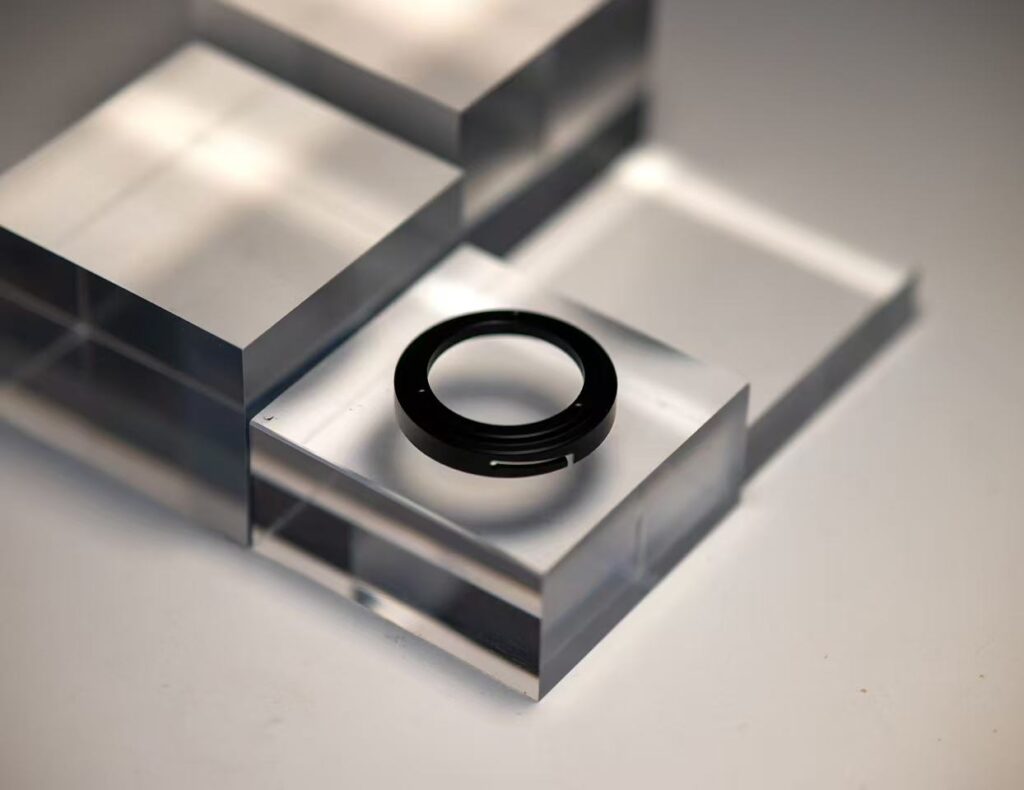
Edge condition and finish can affect assembly, handling, appearance, sealing and downstream processing. Burrs are a process issue, not just a cosmetic issue Burrs can interfere with assembly, affect contact surfaces or create handling risks. The right deburring approach depends on material, feature location, part geometry and how the component will be used. Specify finish […]
When Is Wire EDM a Better Choice Than Milling?

Wire EDM uses an electrical discharge process to cut conductive materials and can be useful for certain profiles, slots and hardened components. Different processes solve different problems CNC milling removes material with a rotating cutting tool. Wire EDM removes conductive material through controlled electrical discharges using a fine wire. Neither process is automatically better for […]
Small Design Details That Can Make CNC Machining Easier
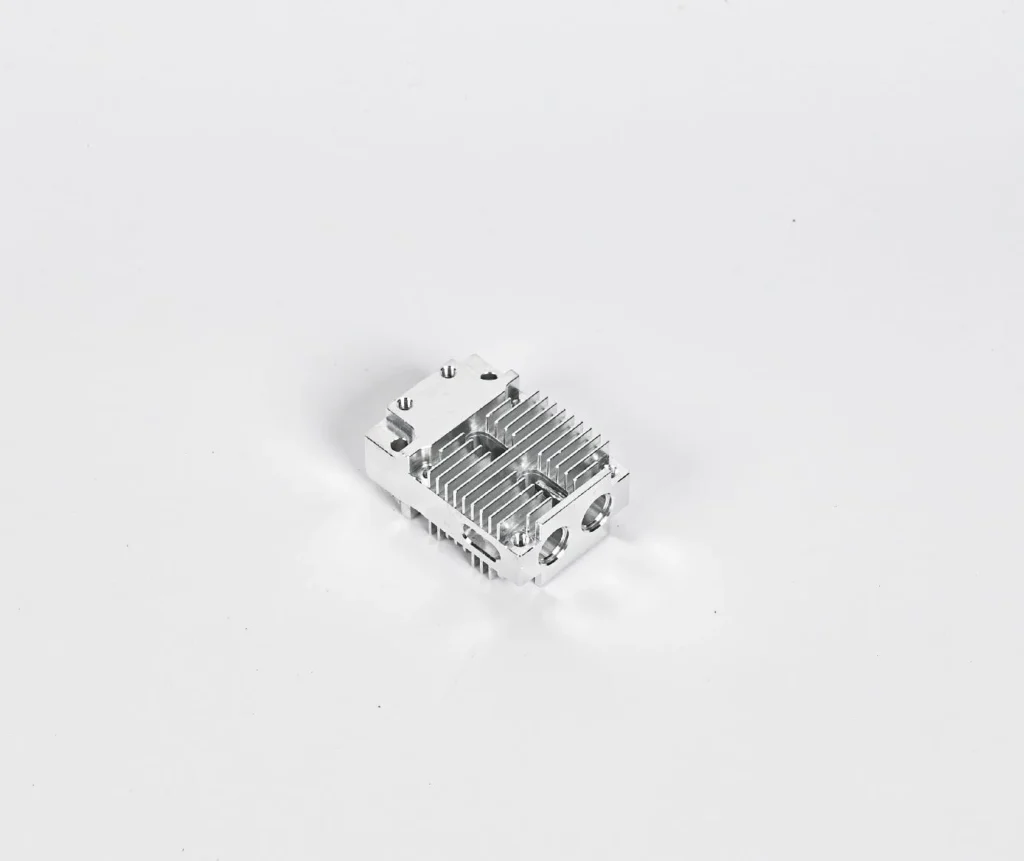
Corner radii, deep pockets, thin walls and tool access can influence machining time, stability and inspection. Internal corners need tool access A standard milling cutter leaves a radius at an internal corner. If the design requires a sharp internal corner, another process or a design change may be needed. Choosing a practical radius can simplify […]
CNC Machining Tolerances: Where Precision Really Matters

Tight tolerances can be necessary—but applying them everywhere may add cost without improving the part’s function. Tolerance describes the allowed variation A dimension on a drawing is not just a target number. Its tolerance defines the permitted range. The tighter the tolerance, the more carefully machining, workholding, temperature, tool condition and inspection may need to […]
luminum, Stainless Steel or Engineering Plastic? Start with the Job
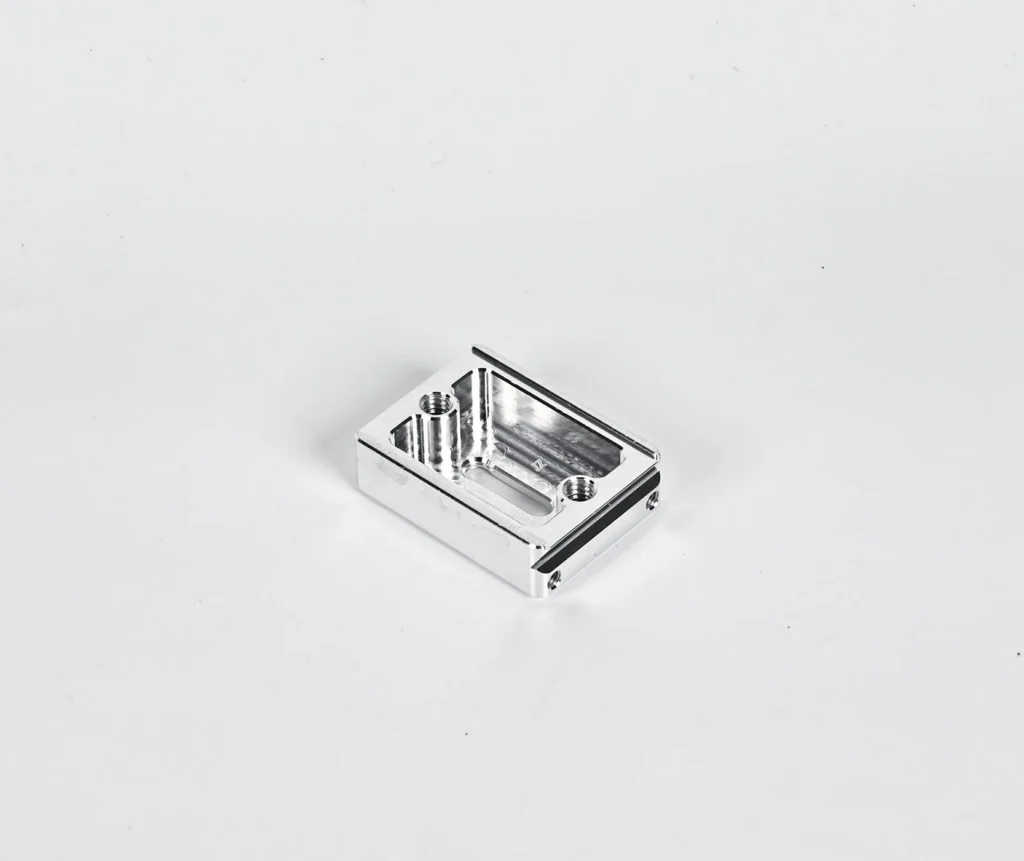
Material selection affects weight, corrosion resistance, stiffness, machining time, finishing and total part cost. There is no universal “best” material Aluminum is often considered when low weight and good machinability matter. Stainless steel may suit applications that need corrosion resistance or a robust metal surface. Engineering plastics can be useful where electrical insulation, low weight […]
Inspection is important, but quality also depends on drawing review, setup strategy, process choices and clear acceptance criteria
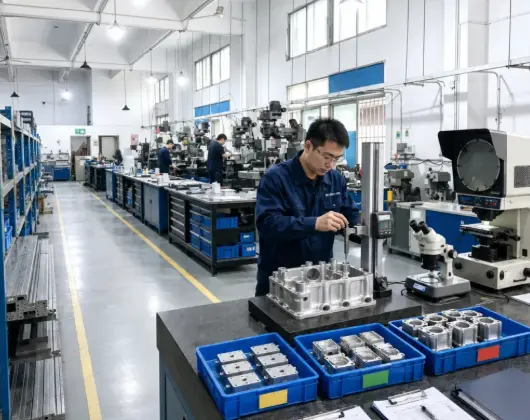
Inspection is important, but quality also depends on drawing review, setup strategy, process choices and clear acceptance criteria. Inspection cannot replace planning A final measurement can show whether a feature meets its requirement, but it cannot make an unclear drawing clear or correct a poor datum strategy. The most useful quality checks are planned around […]
A Better RFQ Starts with a Clear Drawing Package
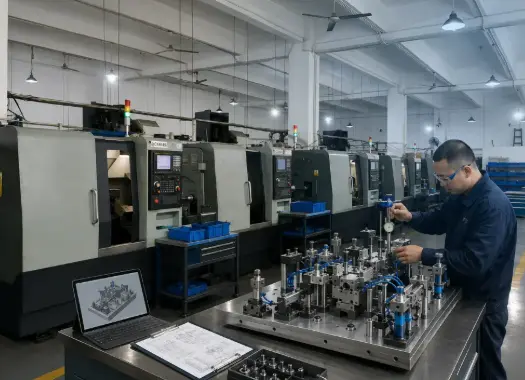
The right information helps machining suppliers review manufacturability, compare options and ask fewer rounds of clarification questions. A 3D model is useful—but not always enough A 3D model communicates shape, but a 2D drawing often carries the tolerances, datums, thread callouts, surface texture and inspection notes that define acceptance. Keep the model and drawing at […]
From Drawing Review to Finished Part: How a CNC Project Takes Shape
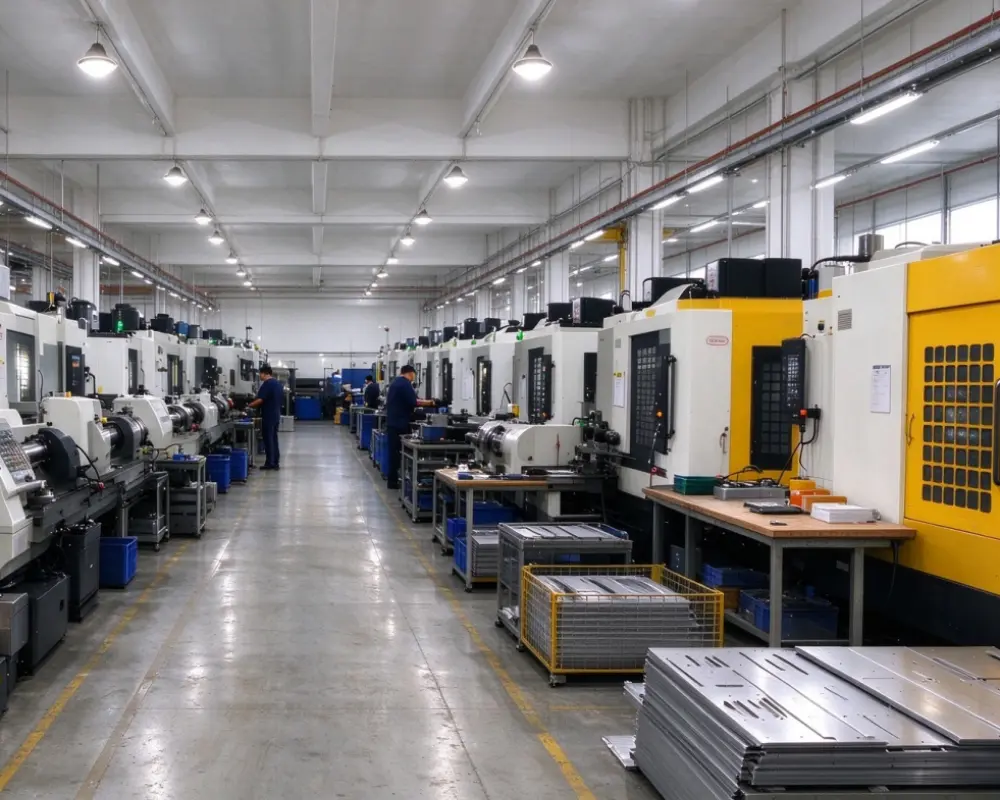
A clear machining project starts with understanding the drawing, material, quantity and critical features—not simply pressing the cycle-start button. A good part begins before machining Good machining work starts with questions. What does the part connect to? Which dimensions control assembly? Are there threads, sealing faces, thin walls or special surface requirements? Reviewing these details […]
 English
 Chinese